Choosing the right herb can feel hard. Ashwagandha and Gokshura are both popular. Each has a long history in Ayurveda. Each also has modern research behind it. This guide will help you pick the one that fits your goal.
Meet the herbs
Ashwagandha is the root of Withania somnifera. Ayurveda calls it a rasayana. That means it helps build strength and resilience. It is used for stress, sleep, and recovery. Ancient texts also link it with vitality and vigor. Modern studies continue to test these claims.
Gokshura is the fruit of Tribulus terrestris. Ayurveda uses it for urinary balance and male vitality. It also appears in formulas for the kidneys and prostate. It has a reputation for supporting libido. Research explores these areas with mixed results.
How Ayurveda views them
Ashwagandha tones the body and mind. It nourishes depleted people. It supports sleep and calms the system. It is often chosen for fatigue and stress.
Gokshura cools and clears. It supports urinary flow. It is used when there is burning or difficulty passing urine. It is also used to support male reproductive health.
What science says today
Stress and anxiety
Ashwagandha shows the stronger record here. Meta-analyses and clinical guidance suggest 300 to 600 mg daily can help reduce stress and anxiety in the short term. Effects are modest to moderate. Quality varies by study.
Sleep
Ashwagandha has human trials that show better sleep quality in some groups. One randomized trial found improved sleep and tolerance in adults. Another trial showed gains in non-restorative sleep. Benefits emerge after several weeks.
Energy and fatigue
Some studies find reduced fatigue with ashwagandha. Results are not uniform across all trials. But there is a signal in favor of improved perceived energy in some people.
Libido and sexual function
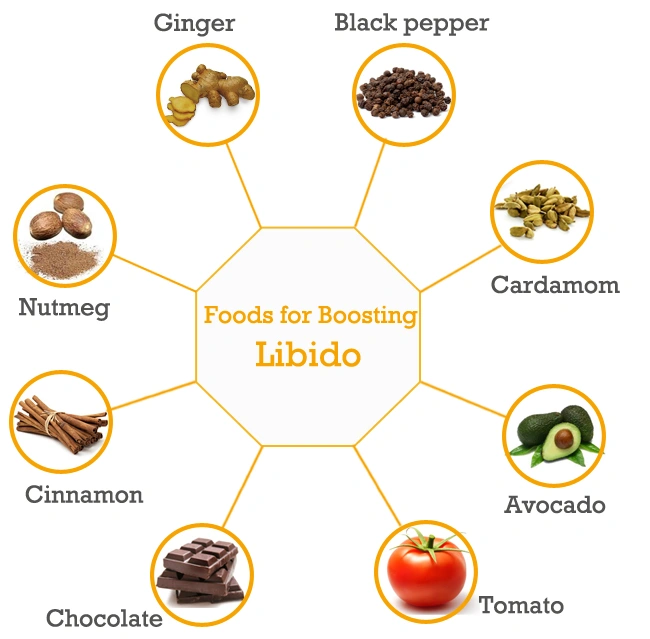
Gokshura is widely marketed for this. The clinical picture is mixed. Reviews note low to moderate evidence for improvement in erectile function. Evidence for raising testosterone is weak or inconsistent. Some studies show no effect. Others show small gains. The net takeaway is cautious optimism at best.
Ashwagandha may help sexual well-being indirectly by easing stress and improving sleep. That can support libido and performance in stressed individuals. Direct effects are less clear.
Urinary health
This is Gokshura’s classic lane in Ayurveda. It is used for ease of flow and comfort. Modern trials in this niche are limited. Traditional use remains strong in practice.
Athletic recovery and performance
Ashwagandha has growing data for recovery, strength, and perceived well-being. Most trials use standardized extracts for 8 to 12 weeks. Gokshura trials in athletes are fewer and mixed. Some show no meaningful change in strength or hormones.
Safety and side effects
Both herbs are “natural.” Both can still cause side effects.
Ashwagandha is generally well tolerated in short studies of 8 to 12 weeks at typical doses. Common side effects are stomach upset or drowsiness. Rare cases of liver injury have been reported. These present with jaundice and itching.
Most resolve after stopping the herb. People with liver disease should be careful. Pregnant and breastfeeding people should avoid it. Speak to your clinician if you have thyroid or autoimmune issues. Check interactions if you use sedatives or antidepressants.
Gokshura can cause stomach upset in some users. Case reports and safety notes also raise concern for liver issues in rare situations. Data are less robust than for ashwagandha. Choose a quality brand and monitor how you feel. Avoid high doses without guidance.
General rule. Stop the herb and seek care if you notice yellowing of the eyes or skin. Dark urine. Pale stools. Severe itching. Or unusual fatigue. These can be signs of liver injury.
Dosage and how to take
These are typical ranges seen in studies and practice. Always follow the label of a trusted product. Talk to your practitioner for a plan that fits you.
Ashwagandha • Standardized root extract: 300 to 600 mg per day. Often split into two doses. Taken for 8 to 12 weeks in trials. Look for 5% withanolides if the brand states it.
Gokshura / Tribulus • Standardized extract in studies: 400 to 750 mg per day for 1 to 3 months. Some protocols use 250 mg three times daily. Results are mixed.
• Traditional powder (churna): often 3 to 6 g per day. Taken with warm water, milk, or honey. Start low if you are new to it.
Quality matters
Supplements differ a lot. Pick products that use third-party testing. Look for standardization and batch numbers. Avoid blends that hide exact milligrams. This helps you compare with clinical doses. It also lowers the risk of adulterants.
Which one should you choose?
Choose Ashwagandha if:
- Stress is your main issue. You feel wired yet tired. You want calmer days and better sleep. The evidence here is stronger.
- You want support for recovery after training. You also want help with mental focus.
Choose Gokshura if:
- Urinary comfort and flow are your priorities. This is the classical use.
- You want to try support for libido. You understand that results vary. You will track your response and stop if nothing changes after a cycle.
When to use both
Some practitioners combine them. One calms and rebuilds. The other supports urinary and reproductive health. Start one at a time. This helps you spot what works. Keep a simple log of sleep, energy, mood, and other symptoms for four weeks.
A simple four-week plan to test fit
Week 1 Pick one herb. Take the lowest effective dose with food. Log sleep quality and daytime energy. Note any stomach upset or itch.
Week 2 If no side effects, move to a mid dose as per label. Keep the log. Add a daily walk or breathing practice. Herbs work best with good habits.
Week 3 Review your notes. If stress and sleep are better on ashwagandha, stay the course. If you started Gokshura for libido or urinary comfort, check if there is any change.
Week 4 Decide to continue or stop. If there is no benefit, pause. Do not stack doses in hope of a quick fix.
If you take medicines or have chronic disease, ask your clinician before any trial.
Practical tips for daily use
- Take ashwagandha in the evening if it makes you calm. Take it in the morning if you feel a bit sleepy after a dose.
- Take Gokshura with water or warm milk. If using powder, mix well and drink at once.
- Do not mix either herb with alcohol. Your liver does not like that mix.
- Use a reminder on your phone. Consistency matters more than timing.
- Reassess every 8 to 12 weeks. Take breaks if you are well.
Who should avoid these herbs
- Pregnant or breastfeeding people should avoid both unless a qualified clinician says otherwise.
- People with active liver disease should be cautious. Stop and seek care if you see signs of liver trouble.
- People with thyroid or autoimmune conditions should speak to a doctor before taking ashwagandha.
- Anyone on sedatives, antidepressants, or hormone therapy should check for interactions first.
Bottom line
Ashwagandha is the better choice for stress, sleep, and recovery. The research base is broader and more consistent. Gokshura remains a classic urinary and libido herb in Ayurveda. Modern evidence is mixed. Both can cause side effects in rare cases. Quality and dose matter. So does your personal response.
Start low. Go slow. Track how you feel. Work with a practitioner if you can. In Ayurveda, the best herb is the one that fits the person in front of you. Today that person is you. Choose with care. And give your body time to respond.
Also Read:
Top 7 Ayurvedic Herbs for Boosting Energy Naturally
How to Improve Male Sex Drive Naturally with Ayurvedic Tips